Veterans Program
Our Approach
Military service often requires operating in environments where hypervigilance, emotional suppression and rapid threat assessment are necessary for survival. These responses are adaptive in the field, but can become exhausting or isolating when carried into everyday civilian life.
Service-related trauma is not only remembered cognitively but held within the nervous system. Many veterans experience persistent physiological responses such as heightened startle reflex, difficulty relaxing, emotional numbing or challenges with trust and connection, even long after returning home. These patterns are not a failure of coping, but the body’s attempt to remain prepared for danger.
Equine-Assisted Psychotherapy provides an experiential, trauma-informed approach that supports nervous system regulation and reintegration through present-moment work. Horses are prey animals with a highly developed sensitivity to their environment. They respond honestly and immediately to shifts in energy, physical boundaries and internal emotional states. In a therapeutic setting, this allows veterans to safely explore patterns related to control, trust, leadership, and connection, without the expectation to explain or relive their experiences verbally.
-
You may benefit from equine-assisted trauma therapy if you are a veteran or first responder experiencing:
PTSD symptoms, hypervigilance, or intrusive memories
Moral injury or challenges related to guilt or shame
Difficulty reintegrating into civilian or family life
Emotional numbness or disconnection
A desire to process trauma beyond traditional talk therapy
-
We recognize that each veteran’s needs and pace are different. Our program offers multiple ways to engage in equine-assisted psychotherapy:
Individual Sessions – Flexible, session-by-session appointments focused on nervous system regulation, trauma-informed stabilization, and your personal goals.
Veteran Renew & Rebuild Pathway – A structured, step-by-step series of sessions that builds momentum, consistency, and skill development over time.
Small Group Cohorts – A small, consistent group experience that fosters trust, relational safety, and connection with veteran peers who understand military culture.
All options emphasize regulation, trust-building, and experiential work with horses while honoring each veteran’s readiness and pace.
Read more about the Veteran Renew & Rebuild Pathway in the “Getting Started” section of our website. -
We guide veterans and first responders through a clear, step-by-step process designed to build momentum, trust, and safety while fostering lasting change:
1. Schedule Your Consultation – Start with a short, no-pressure call to discuss your goals, explore your unique needs, and determine the best way to begin your equine-assisted therapy journey.
2. Choose Your Path – From there, you can select the approach that fits you:
Individual Sessions – Flexible, one-on-one sessions tailored to your needs.
Veteran Renew & Rebuild Pathway – A structured program designed to provide a comprehensive healing experience.
Veteran Cohort – A group-based option offering shared learning and veteran peer connection. A waitlist may apply.
3. Integrate & Reflect – After your initial sessions, pathway, or cohort modules, we help you process what you’ve learned, recognize progress, and identify next steps for continued growth.
4. Continue Your Pathway – Many veterans choose ongoing sessions or intensives to deepen trauma processing, strengthen regulation, and fully integrate new skills into daily life.
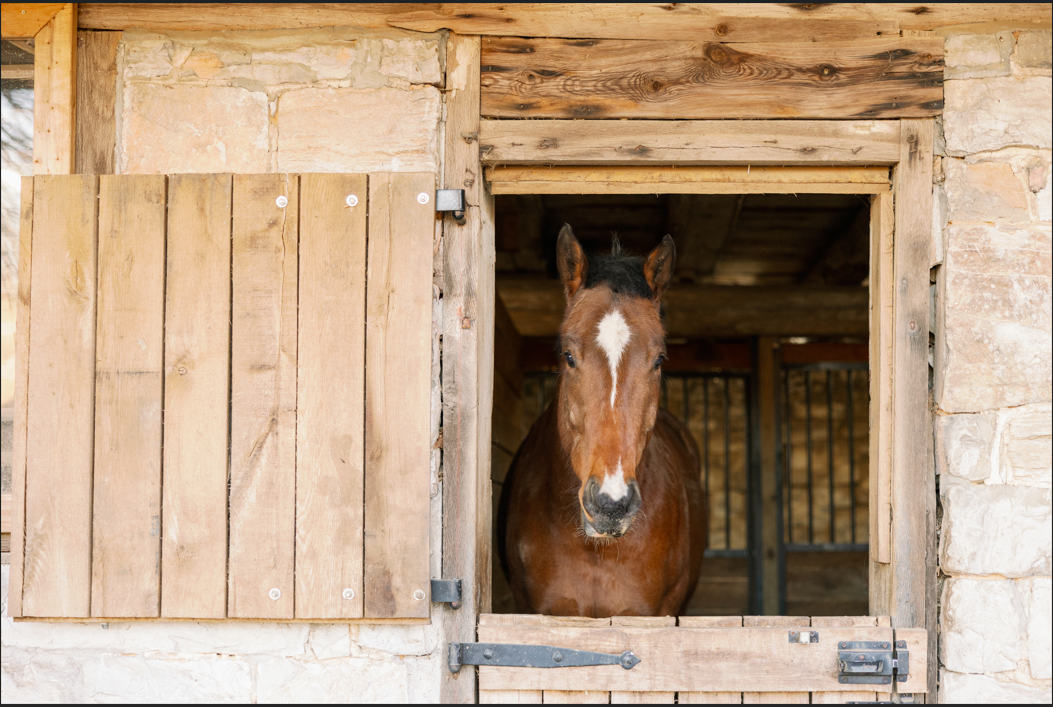
healing through horses
Practice downregulating the nervous system in real time
Rebuild trust in self and others through relational experiences
Reconnect with identity beyond the military or service roles
Develop adaptive responses to stress and perceived threat
Integrate lived experiences without pressure to verbalize trauma
Veteran Testimonial:
“I never thought I would get as much from this therapy as I have. This has been a very empowering experience for me.
I have started to tap into things that were locked away inside that are now starting to make sense to me. The way I react to things, the way I view things. I find myself now looking forward to these sessions.”